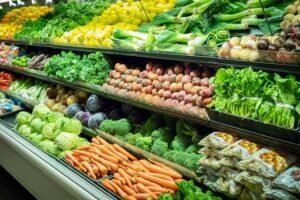

How to save money on groceries in California
How to save money on groceries in California is one of the most searched cost-of-living questions this year and for good reason. Food prices across the state remain higher than the national average due to transportation costs, labor rates, and housing-driven overhead expenses. The good news? With the right strategy, you can cut 15–30% off your monthly grocery bill without sacrificing nutrition or quality.
This guide breaks down practical, verified methods California households are using right now.
Why Groceries Cost More in California
California has higher minimum wages, stricter agricultural regulations, and elevated fuel prices compared to many other states. Cities like Los Angeles and San Francisco also face higher retail rents, which impact shelf prices.
What this really means is simple: small savings tactics matter more here than elsewhere.
If you want to understand how to save money on groceries in California, you need a system—not random coupon clipping.
Step 1 Choose the Right Grocery Store
Not all grocery chains price products the same. In California, where you shop makes a significant difference.
Average Price Comparison (Basic Staples)
| Item (1 lb or equivalent) | Walmart | Aldi | Trader Joe’s | Safeway |
|---|---|---|---|---|
| Rice | Lower | Lower | Moderate | Higher |
| Eggs | Lower | Lower | Moderate | Higher |
| Chicken Breast | Moderate | Lower | Moderate | Higher |
| Milk (1 gallon) | Lower | Lower | Moderate | Higher |
| Cereal | Lower | Lower | Moderate | Higher |
Note: Prices vary by city and week, but discount chains consistently trend lower.
If you’re serious about how to save money on groceries in California, start by switching 50–70% of your shopping to budget-focused stores like Aldi or Walmart, while using traditional supermarkets only for sale items.
Step 2 Use Store Apps and Digital Coupons
Most California grocery chains offer weekly digital deals.
-
Safeway and Albertsons provide app-only discounts.
-
Target offers digital Circle coupons.
-
Costco provides member-only pricing.
-
Walmart frequently runs rollback promotions.
These are verified savings methods, not gimmicks. Digital coupons often reduce prices by $1–$5 per item. Over a month, that easily becomes $40–$100 saved.
Understanding how to save money on groceries in California means using technology not ignoring it.

Step 3 Shop Based on Weekly Ads, Not Cravings
Every major grocery chain releases weekly ads. Smart shoppers plan meals around what’s discounted.
For example:
-
If chicken is discounted, build 2–3 meals around it.
-
If strawberries are on promotion, buy in bulk and freeze extras.
-
If pasta is on sale, stock up for future weeks.
This strategy reduces cost per meal significantly.
When people ask how to save money on groceries in California, this is one of the most reliable answers.
Step 4 Buy Store Brands Instead of Name Brands
Store brands are often manufactured by the same companies that produce name brands. The difference is packaging and marketing cost.
Example Comparison
| Product Type | Name Brand Avg Price | Store Brand Avg Price | Savings |
|---|---|---|---|
| Pasta Sauce | $4.49 | $2.49 | $2.00 |
| Oats | $5.99 | $3.79 | $2.20 |
| Cheese | $6.99 | $4.99 | $2.00 |
Across a full cart, that difference can reduce total spending by 20% or more.
This is one of the easiest steps in how to save money on groceries in California.
Step 5 Buy Seasonal Produce
California grows a large percentage of the country’s fruits and vegetables. Seasonal buying keeps costs low.
-
Summer: Berries, tomatoes, zucchini
-
Fall: Squash, apples, grapes
-
Winter: Citrus fruits
-
Spring: Leafy greens, strawberries
Out-of-season produce is often imported and more expensive.
Learning how to save money on groceries in California means aligning your meals with what the state naturally produces.
Step 6 Use Bulk Buying Strategically
Warehouse stores like Costco can offer lower per-unit prices—but only if you use what you buy.
Good bulk items:
-
Rice
-
Pasta
-
Canned goods
-
Frozen vegetables
-
Meat (portion and freeze)
Avoid bulk perishables if you live alone or cook infrequently.
Bulk buying is helpful—but waste cancels savings.

Step 7 Reduce Food Waste
According to national food waste studies, households throw away a noticeable portion of purchased groceries every month.
Here’s what smart shoppers do:
-
Freeze leftovers immediately.
-
Store herbs in water to extend freshness.
-
Label freezer items with dates.
-
Cook flexible meals like stir-fries and soups using aging vegetables.
If you’re researching how to save money on groceries in California, reducing waste may be your biggest hidden opportunity.
Step 8 Avoid Pre-Cut and Pre-Packaged Convenience Foods
Pre-cut fruit, shredded vegetables, and ready meals cost significantly more per pound.
For example:
-
Whole carrots cost less than baby carrots.
-
Block cheese costs less than shredded cheese.
-
Whole chicken costs less per pound than pre-cut pieces.
You pay for labor and packaging. Doing basic prep at home protects your budget.
Step 9 Consider Farmers Markets (But Compare Prices)
California farmers markets offer fresh produce, often locally grown. Prices can be competitive—especially late in the day when vendors reduce prices.
However, not all markets are cheaper than grocery stores. Compare before committing.
Smart comparison is a core part of how to save money on groceries in California.
Step 10 Set a Monthly Grocery Budget
Most California families benefit from setting a fixed grocery budget.
Sample Budget Framework
| Household Size | Suggested Monthly Budget Range |
|---|---|
| 1 Person | $300–$450 |
| 2 People | $550–$750 |
| 4 People | $900–$1,200 |
These ranges depend on city, diet, and shopping habits.
Tracking spending weekly helps identify overspending categories like snacks, drinks, or convenience meals.

Real-World Savings Example
Let’s break it down.
If you:
-
Switch to store brands (save $80/month)
-
Use digital coupons ($60/month)
-
Shop seasonal produce ($40/month)
-
Reduce waste ($50/month)
You could realistically save $200+ per month.
That’s over $2,400 per year.
That’s why so many people are actively searching how to save money on groceries in California right now.
Conclusion
Groceries in California are expensive, but they are manageable with planning, smart store selection, seasonal buying, and waste reduction. The biggest savings come from consistent habits—not extreme restrictions. If you want real results, start with one or two changes this week, track your spending, and adjust as needed. Small shifts add up quickly.
FAQs
1. What is the cheapest grocery store in California?
Discount chains like Aldi and Walmart often offer lower average prices on staple items, but local pricing varies by city.
2. Does Costco really save money on groceries?
Yes, but mainly for non-perishable or freezable items. Bulk perishables can lead to waste if not managed properly.
3. How much should a family of four spend on groceries in California?
Typically between $900 and $1,200 per month depending on location, diet, and shopping habits.
4. Are farmers markets cheaper than grocery stores in California?
Sometimes. Seasonal produce can be competitive, but prices vary. Compare before buying.
5. What is the fastest way to reduce grocery spending?
Switch to store brands, plan meals around weekly sales, and eliminate food waste. These three steps alone create measurable savings.
Read Also: Cholelithiasis Causes, Symptoms, Treatment, and Prevention