
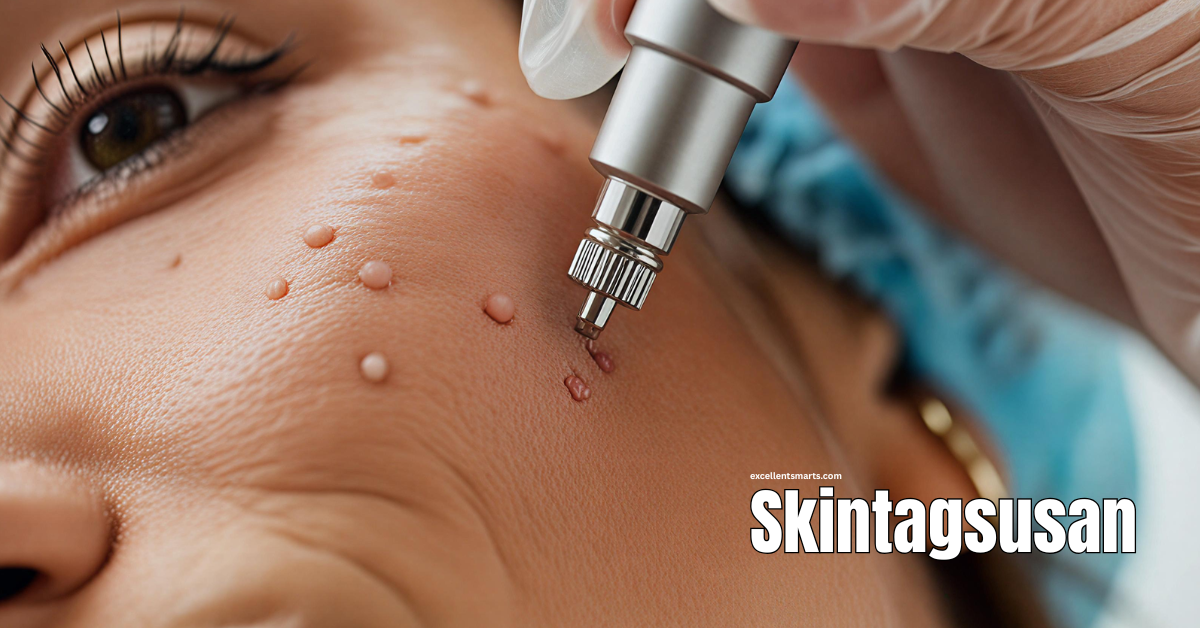
Skintagsusan Complete Guide to Skin Tags, Causes, and Safe Removal
Skintagsusan is becoming a popular keyword people search when they want to learn about skin tags and how to manage them. Skin tags are small, soft growths that appear on the skin surface. Although they look unusual, they are usually harmless. However, many people want to remove them for cosmetic reasons. Therefore, understanding Skintagsusan helps people learn the causes, symptoms, and treatments available for skin tags.
What Skintagsusan Means
Skintagsusan refers to information, discussions, and guides related to skin tags and their management. Many blogs and health websites use the keyword Skintagsusan to explain skin conditions in simple language. As a result, readers can easily understand what skin tags are and how they develop. In addition, the term helps people find helpful resources online when searching for skin tag solutions.
Understanding Skin Tags
Skin tags are small pieces of soft skin that hang from the body. They often appear where skin rubs against skin or clothing. For example, they commonly develop on the neck, underarms, eyelids, chest, or groin area. Although they look like tiny bumps, they are usually painless. Still, many individuals search for Skintagsusan information to learn whether these growths are normal or require treatment.
Why People Search for Skintagsusan
Many people search for Skintagsusan because they notice unusual growths on their skin. At first, these growths may cause concern. However, learning about skin tags helps people feel more relaxed. Moreover, online guides explain how to recognize skin tags and how they differ from other skin problems. Consequently, Skintagsusan content helps readers gain knowledge and confidence about their skin health.
Causes of Skin Tags
Skin tags develop for several reasons. First, friction between skin surfaces often leads to their formation. Second, hormonal changes may trigger them, especially during pregnancy. Third, genetics can also play a role because some families experience skin tags more often. Furthermore, weight gain and diabetes may increase the risk. Because of these factors, many Skintagsusan articles explain how lifestyle influences skin tag growth.
Common Areas Where Skin Tags Appear
Skin tags usually appear in areas where the skin folds or rubs. For instance, they often develop around the neck and underarms. Additionally, some people notice them on eyelids, under the breasts, or in the groin region. These areas experience constant friction, which encourages skin tag formation. Therefore, Skintagsusan guides often mention these locations to help readers identify skin tags easily.

Symptoms and Appearance
Skin tags typically look like small, flesh-colored bumps attached to the skin by a thin stalk. They are soft to the touch and may move slightly when touched. Usually, they do not cause pain. However, irritation may occur if clothing rubs against them. Because of this, many individuals search Skintagsusan resources to understand whether their skin growth matches the typical description.
Are Skin Tags Dangerous
In most cases, skin tags are completely harmless. They do not spread and rarely cause medical problems. Nevertheless, people sometimes confuse them with other skin conditions. Therefore, medical professionals recommend checking unusual skin growths if they change color, grow quickly, or bleed. Skintagsusan articles often emphasize that professional advice ensures accurate diagnosis and peace of mind.
Skintagsusan and Skin Health Awareness
One important goal of Skintagsusan content is to improve awareness about skin health. Many people ignore small changes in their skin. However, understanding common conditions like skin tags encourages individuals to pay attention to their bodies. Moreover, learning about skin tags helps people distinguish harmless growths from more serious skin problems.
Factors That Increase Risk
Several factors may increase the chances of developing skin tags. Age is one of them because skin tags become more common after middle age. Additionally, obesity increases skin friction, which encourages growth. Hormonal changes also influence their development. Furthermore, people with diabetes sometimes experience skin tags more frequently. Therefore, Skintagsusan resources often discuss these risk factors in detail.
Diagnosis of Skin Tags
Doctors usually diagnose skin tags through a simple visual examination. Because skin tags have a recognizable appearance, laboratory tests are rarely required. However, if the growth looks unusual, the doctor may perform a biopsy. This process involves removing a small sample for testing. Consequently, Skintagsusan guides often explain that medical diagnosis is quick and usually painless.
Medical Treatment Options
Although skin tags are harmless, some people choose to remove them. Doctors offer several safe treatment methods. For example, cryotherapy freezes the skin tag using liquid nitrogen. Another option is cauterization, which burns the tag using medical equipment. Additionally, doctors may cut off the tag with sterile surgical tools. These professional treatments appear frequently in Skintagsusan discussions.
Home Remedies for Skin Tags
Some individuals explore home remedies when dealing with skin tags. These methods include using natural oils or herbal solutions. However, results may vary, and safety is not always guaranteed. Therefore, Skintagsusan articles usually advise caution. While home remedies may work for some people, consulting a healthcare professional remains the safest approach.
Importance of Professional Removal
Removing skin tags at home without proper knowledge can cause infection or bleeding. For this reason, professional removal is often recommended. Doctors use sterile tools and safe techniques to prevent complications. Furthermore, medical treatment ensures that the growth truly is a skin tag. Because of these benefits, Skintagsusan information often highlights the value of professional care.
Preventing Skin Tags
Although skin tags cannot always be prevented, certain lifestyle habits may reduce risk. Maintaining a healthy weight helps reduce skin friction. Wearing loose clothing also prevents irritation in sensitive areas. In addition, practicing good hygiene keeps skin healthy. As a result, Skintagsusan guides often promote healthy living as part of skin tag prevention.
Skintagsusan and Lifestyle Habits
Lifestyle choices influence skin health more than many people realize. Balanced nutrition supports healthy skin cells. Regular exercise improves circulation and overall health. Moreover, proper skincare routines keep the skin clean and protected. Therefore, Skintagsusan discussions often connect skin tag prevention with healthy daily habits.
Psychological Impact of Skin Tags
Although skin tags are harmless, they sometimes affect confidence. Some individuals feel uncomfortable when visible skin tags appear on the neck or face. Consequently, they search for Skintagsusan information to find solutions. Understanding that skin tags are common can help reduce anxiety and improve self-confidence.
When to See a Doctor
Most skin tags do not require medical attention. However, certain signs indicate that a doctor should examine the growth. For example, sudden changes in size, color, or shape may require evaluation. Bleeding or pain may also signal another skin condition. Therefore, Skintagsusan resources encourage readers to seek medical advice when unusual symptoms appear.
Skintagsusan in Online Health Discussions
Today, many health blogs and forums discuss Skintagsusan topics. These platforms allow people to share experiences and treatment options. Additionally, online articles provide educational information about skin health. As a result, readers can learn from both medical professionals and personal experiences.
The Future of Skintagsusan Awareness
As online health education grows, Skintagsusan topics will likely become even more common. People increasingly search the internet for medical information. Therefore, high-quality articles and educational resources play an important role. By spreading accurate knowledge, Skintagsusan content can help individuals understand and manage skin tags effectively.
Final Thoughts on Skintagsusan
Skintagsusan represents a helpful resource for anyone curious about skin tags. These small growths may appear surprising, yet they are usually harmless. By learning about causes, treatments, and prevention, individuals can manage skin tags confidently. Ultimately, awareness and proper care support better skin health and overall well-being.
FAQs
1. What is Skintagsusan?
Skintagsusan refers to guides, information, and discussions about skin tags, including their causes, symptoms, and treatments.
2. Are skin tags dangerous?
No, skin tags are usually harmless and non-cancerous. However, it is best to consult a doctor if a skin growth changes in size or color.
3. What causes skin tags?
Skin tags often develop due to friction, hormonal changes, genetics, obesity, and sometimes diabetes.
4. Can skin tags be removed safely?
Yes, doctors can remove skin tags safely using methods such as freezing, burning, or surgical removal.
5. Can skin tags disappear naturally?
Sometimes they may shrink or fall off, but many remain until removed.
6. When should I see a doctor for skin tags?
You should see a doctor if the skin tag becomes painful, bleeds, changes color, or grows rapidly.
Read Also: TheLowdownUnder Travel A Complete Guide to Memorable Journeys